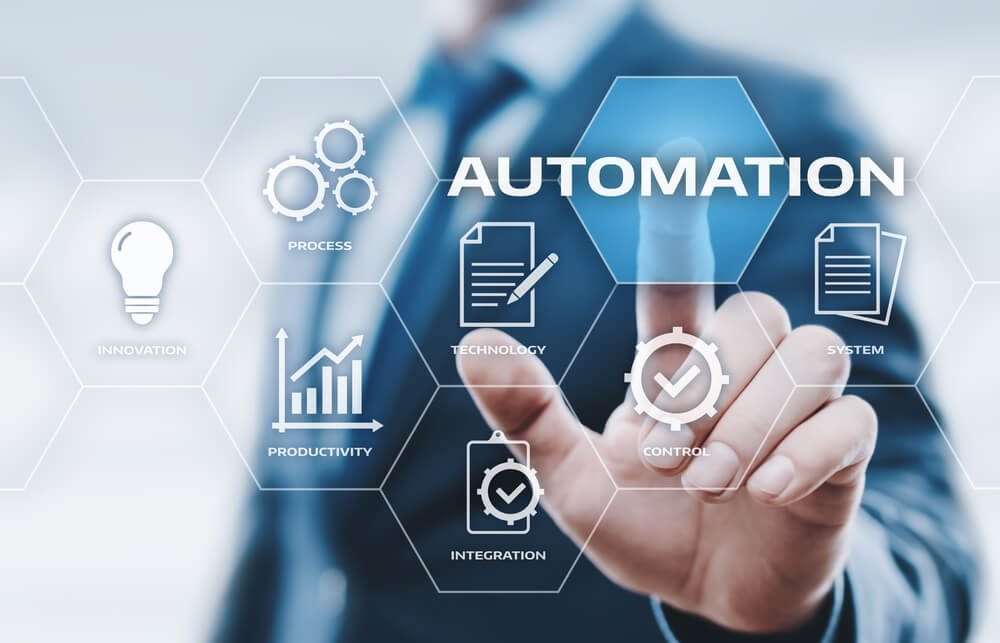
In today’s fast-paced industrial landscape, the effective management of industrial facilities is crucial to ensuring optimal resource utilization, reducing energy consumption, and increasing productivity. Automation and monitoring technologies have revolutionized the way industries operate, enabling real-time control and monitoring of processes, equipment, and facilities. This article will explore the importance of automation and monitoring in industrial facility management, its benefits, and its applications in building and smart home management.
The Need for Automation
Industrial facilities are complex systems that require precise control and monitoring to ensure efficient operation. Manual monitoring and control methods can lead to errors, downtime, and reduced productivity. Automation and monitoring technologies eliminate human error, reduce maintenance costs, and enable real-time data analysis. This enables facility managers to make informed decisions, optimize resource allocation, and minimize waste.
Benefits of Automation
- Improved Resource Management: Automation enables facility managers to monitor and control energy consumption, water usage, and waste generation in real-time. This helps to optimize resource allocation, reduce waste, and minimize environmental impact.
- Increased Productivity: Automation reduces downtime, increases equipment efficiency, and enables faster production cycles. This leads to increased productivity, reduced labor costs, and improved product quality.
- Energy Efficiency: Automation enables real-time monitoring of energy consumption, enabling facility managers to identify areas for improvement and optimize energy usage. This leads to significant energy savings and reduced carbon emissions.
- Enhanced Safety: Automation enables real-time monitoring of equipment performance, temperature control, and environmental conditions. This helps to identify potential safety hazards and prevent accidents.
Applications in Building Management
- Smart Buildings: Automation technologies enable building managers to monitor and control lighting, temperature, and HVAC systems in real-time. This leads to reduced energy consumption, improved comfort, and enhanced occupant experience.
- Building Automation Systems (BAS): BAS integrate various building systems, such as HVAC, lighting, and security systems. This enables building managers to monitor and control building operations in real-time.
- Energy Management Systems (EMS): EMS integrate various energy-related systems, such as energy meters, HVAC systems, and lighting systems. This enables building managers to monitor and optimize energy consumption.
Applications in Smart Home Management
- Smart Home Automation: Automation technologies enable homeowners to control lighting, temperature, security systems, and entertainment systems remotely.
- Home Energy Management: Home automation systems integrate energy-related devices, such as thermostats, lights, and appliances. This enables homeowners to monitor and optimize energy consumption.
- Security Systems: Smart home automation systems integrate security cameras, motion sensors, and door locks. This enables homeowners to monitor their home’s security remotely.
Conclusion
In conclusion, automation and monitoring technologies play a crucial role in industrial facility management. By automating processes, monitoring equipment performance, and optimizing resource allocation, industries can improve resource utilization, reduce energy consumption, and increase productivity. The benefits of automation are evident in building management systems that enable efficient control of lighting, temperature, and HVAC systems. Similarly, smart home automation systems enable homeowners to monitor and optimize their energy consumption while enhancing their overall living experience.